


When Vienna Dances: SILVIA SCHNEIDER’S Three-Year Opera Ball Elegance
In conversation with the designer who has made Ophir fabrics her partner for one of Europe's most prestigious evenings
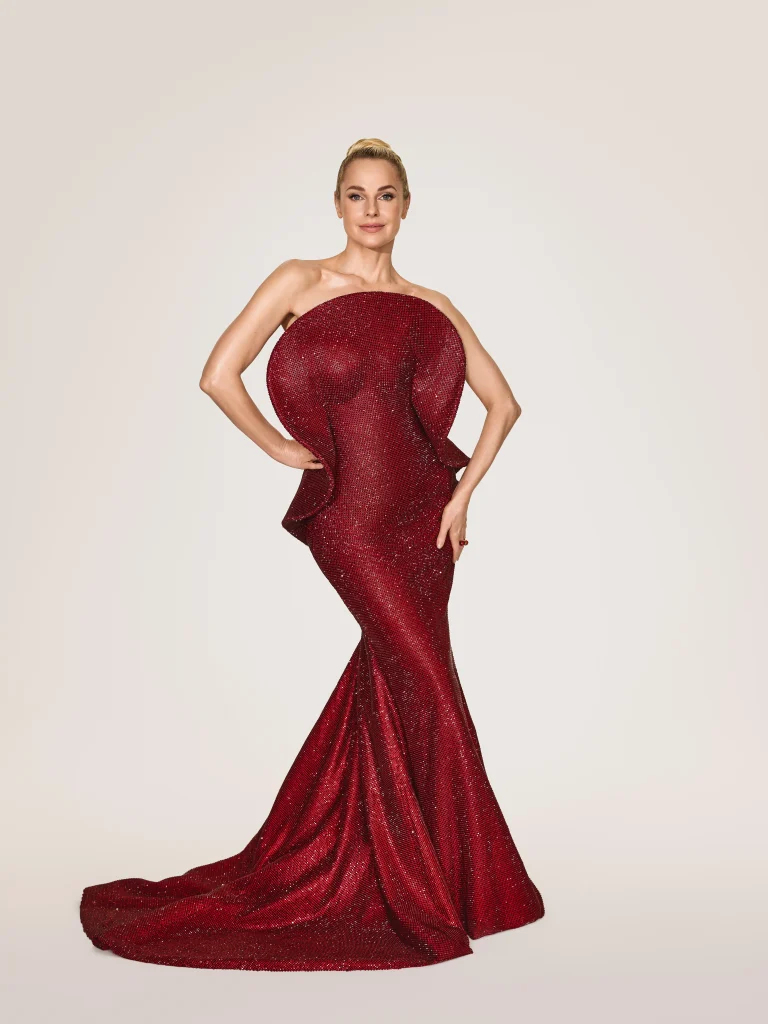
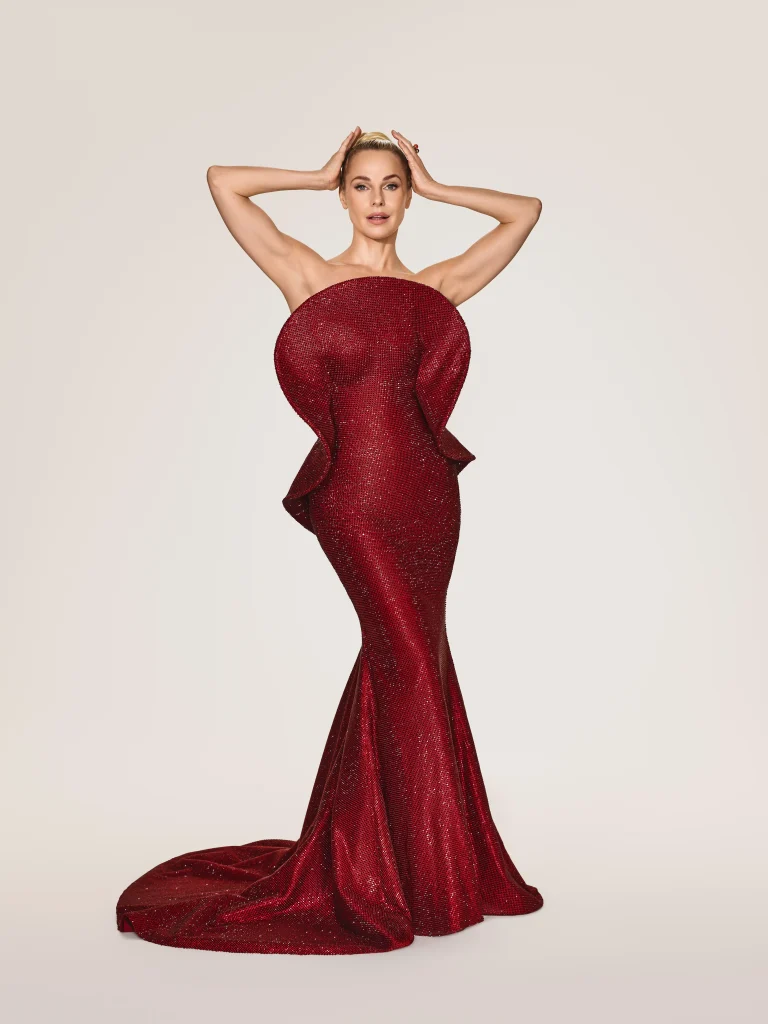
The Wiener Opernball held annually in the magnificent Vienna State Opera since 1935 draws heads of state, royalty, cultural icons, and the world's most discerning eyes to one of the most photographed staircases in fashion. It is not simply a ball; it is Austria's cultural crown jewel, a living tradition where the pressure to get every detail right is absolute, and where the world is quite literally watching
For three consecutive years, the Wiener Opernball has witnessed gowns crafted from Ophir fabrics grace its historic floors. Behind each one: Silvia Schneider, a TV producer, designer, host, and entrepreneur who understands that fashion is never just about clothing, it's about emotion, presence, and the quiet power a garment can give.
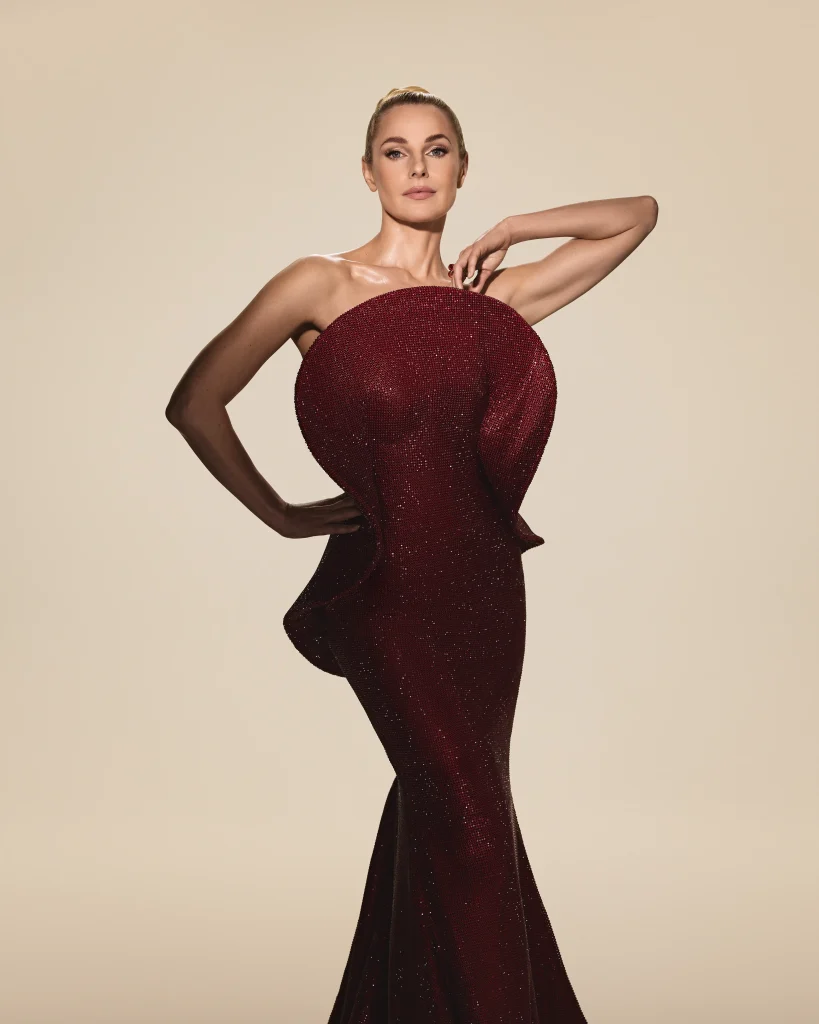
This year's creation, a sculptural masterpiece in ruby red aluminium metal mesh embedded with crystals, represents 100 hours of couture craftsmanship, the trust built over multiple commissions, and a designer's evolution in working with materials that demand as much as the occasion itself. The gown conceived as a deliberate tribute to this year's official Opera Ball color earned Silvia a coveted place on Kurier's and Heute's best dressed lists. Heute celebrated her for her "Mut zur Farbe (courage with color), applauding the ruby red creation as one of the evening's most memorable moments
We sat down with Silvia to discuss the journey from discovering Ophir on Instagram to creating her third Opera Ball gown, and what it takes to design for a night where tradition, glamour, and live television converge.
Hi Silvia, Tell us about yourself.
I’m a TV producer, designer, TV host and entrepreneur at heart. Fashion, for me, has never just been about clothing, it’s about emotion, posture, presence and the quiet power a garment can give to the person wearing it. I love working at the intersection of craftsmanship, femininity and strong visual storytelling especially when it comes to couture pieces created for meaningful moments.
How did you first discover Ophir, and what made you decide to use our fabrics for something as significant as the Opera Ball?
I actually discovered Ophir on Instagram. I remember seeing one specific fabric that immediately caught my eye; the depth, the richness, the texture. I could almost feel it through the screen. The Opera Ball requires fabrics that carry presence without screaming for attention. Ophir had that rare balance of opulence and elegance and I knew it was worthy of such an iconic night.
The Vienna Opera Ball is one of Europe's most prestigious social events. What's it like creating for an occasion like that?
It’s intense but in the most beautiful way. The Opera Ball is tradition, history, glamour and live television all in one. You’re not designing just for a room; you’re designing for cameras, for movement, for memory. The gown must hold up under bright lights, hours of dancing and constant photography and still feel effortless.
"The fabric always speaks first. I drape it, I move it, I observe how it reacts to light."
Walk us through the creative process for this year's gown - when did you know this was "the one," and what role did the fabric play in shaping the final design?
The fabric always speaks first. I drape it, I move it, I observe how it reacts to light. This year, the moment I saw how the fabric reflected a deep, almost liquid shine under spotlight, I knew it was “the one.” It shaped the silhouette, I allowed the material to guide the cut rather than forcing a design onto it. I always cowork with the wonderful Couturière Liliya Semenova. She put 100 hours of work in that dress. We have been working on operaball dresses before together and she is always exhausted when we are finished, but there is no better woman than her for this calling. I am truly thankful to know her.
Can you describe the specific Ophir fabrics you used for this year's gown? What drew you to these particular materials?
I chose a fabric [aluminium metal mesh with embedded crystals] with a luxurious weight and a subtle but powerful shimmer. What drew me in was the dimensionality, it had depth without heaviness. It photographed beautifully even in low light and maintained its structure while still allowing fluid movement.
What were the specific technical requirements for this piece?
The fabric must hold its shape and not crease excessively. It also needs to behave predictably under strong stage lighting; certain materials reflect too much or flatten visually. This fabric held its color beautifully and kept its integrity for hours. The construction of the neckline was especially challenging and technical
"Some fabrics are just materials. Others feel almost alive when worn. This one had personality, it reacted to movement, which made it incredibly powerful on camera."
How has your approach evolved?
The first gown was about discovering how the fabric performs. The second was about pushing silhouette. This year was about refinement, less is more, but executed perfectly. I’ve learned to truly let the textile lead the narrative
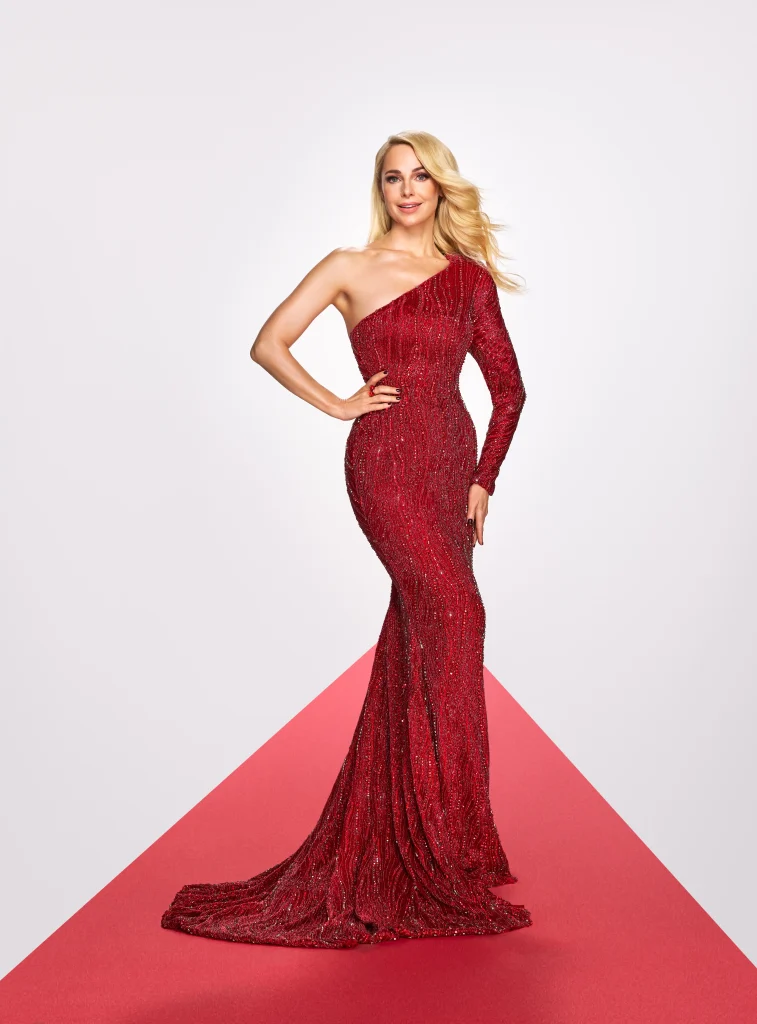
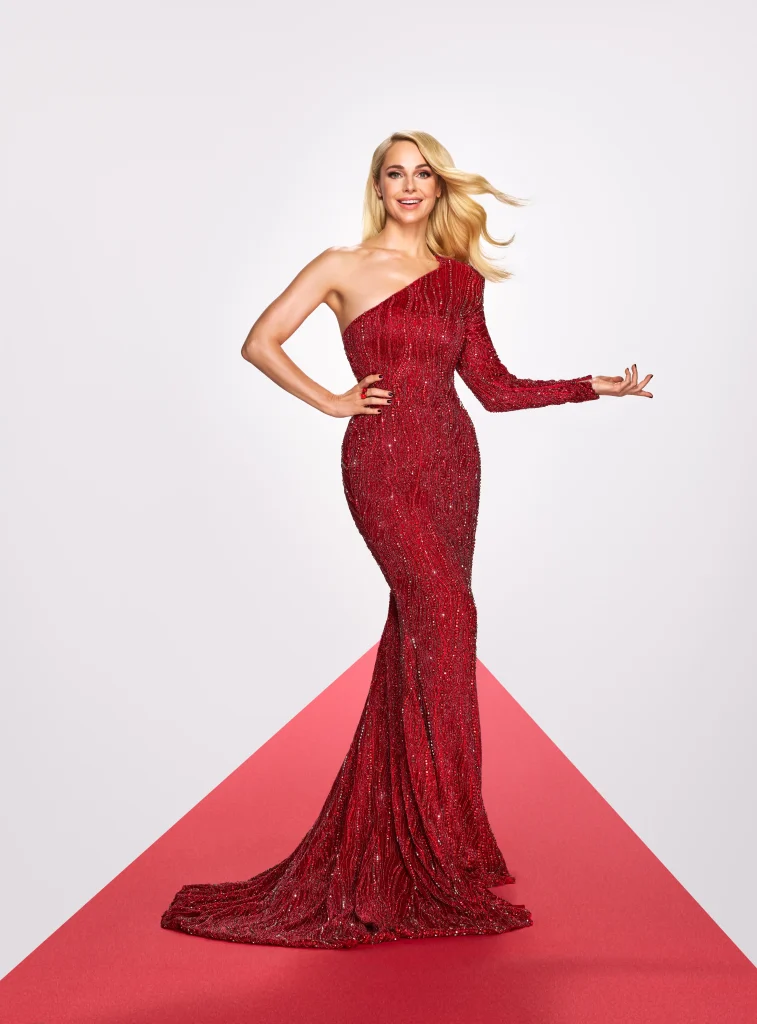
Where It All Began
Silvia's first Opera Ball creation with Ophir's fabric, a custom hand embroidered fabric that took six artisans more than eight weeks to complete. Working with beads, crystals, french bullion, and metallic wire, every element was hand-placed with precision on a tulle base.
This fabric established the foundation of trust that would define the three year partnership
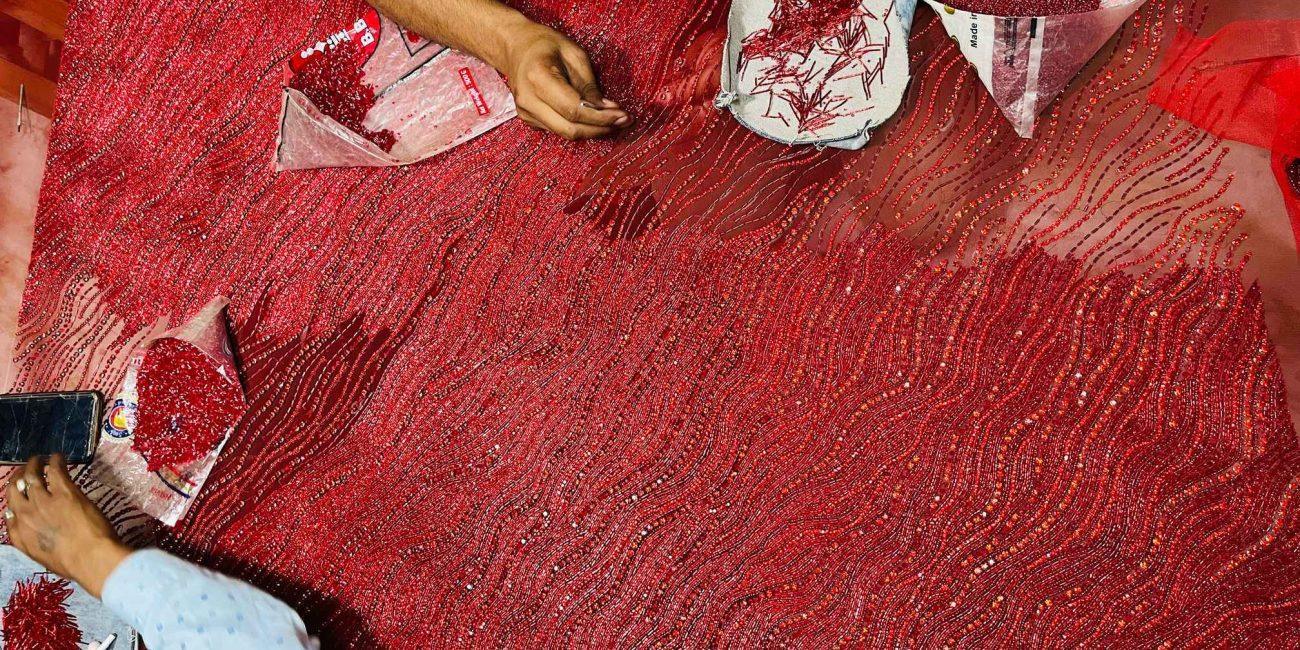
The red hand-embroidered fabric represents the pinnacle of Ophir's couture capabilities. Six meters of this complex embroidery required:
- 6 artisans working simultaneously on embroidery frames
- 8+ weeks of continuous hand embroidery
- Beads, crystals, french buillion, and metallic wire individually placed
- Zero gaps in coverage, the tulle base completely invisible
- Engineered sparkle that rivals machine-made alternatives while maintaining couture quality
What Makes a Fabric "Opera Ball-Worthy"
You've now worked with our fabrics for 3 consecutive Opera Ball dress commissions. What keeps you coming back, and how do you decide which fabrics to use for different designs?
Reliability and elegance. When you work for high-stakes moments, you need partners you trust. I know how Ophir fabrics behave, how they move, how they react to light. That trust allows me to be more daring in my designs.
pushing the boundaries
Silvia's 2025 Opera Ball creation introduced her to the Paula Zircon crystal technology, A signature hot-fix crystal on mesh system. The bronze colorway she selected proved that technical fabrics could deliver both structural integrity and red-carpet glamour.
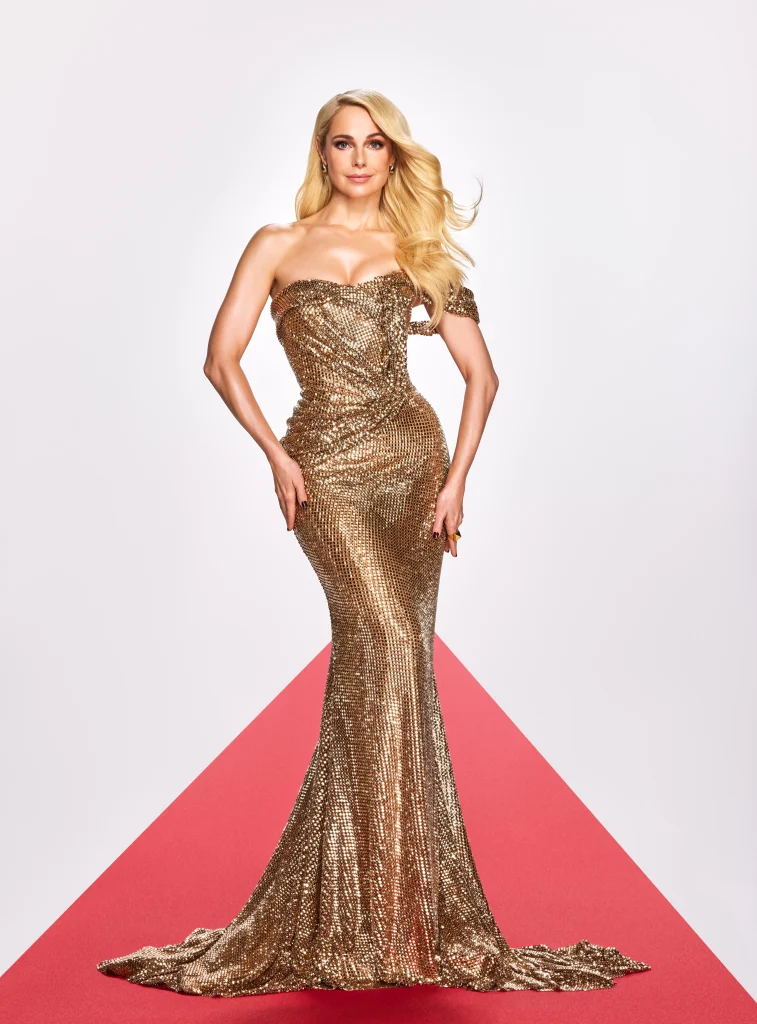
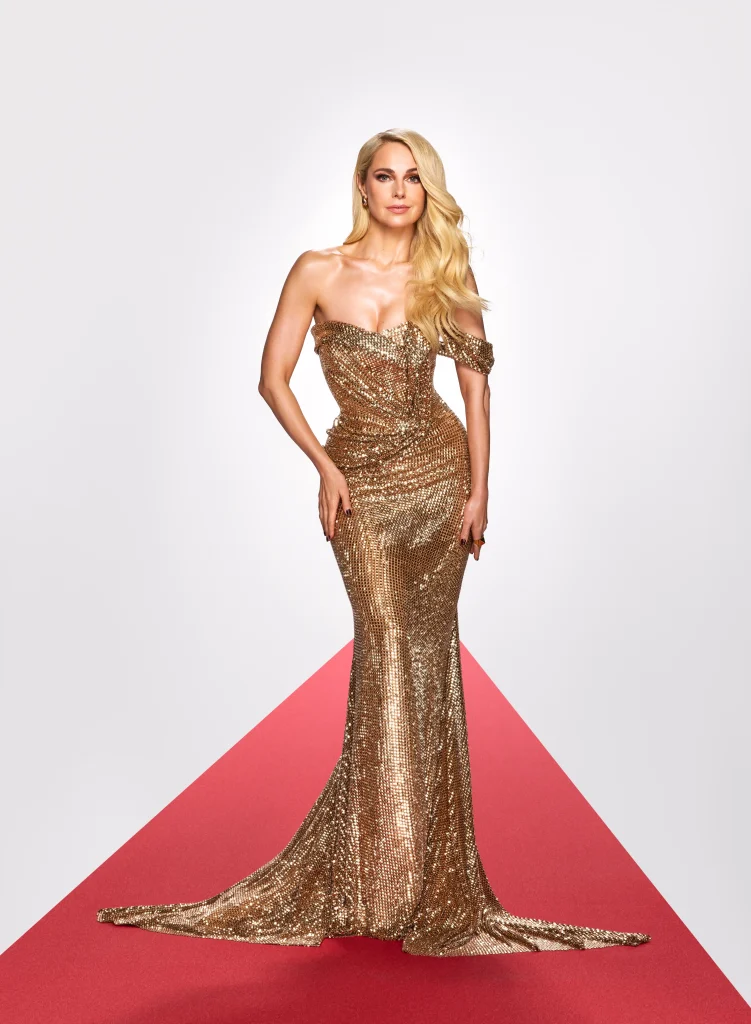
"The Opera Ball requires fabrics that carry presence without screaming for attention. Ophir had that rare balance of opulence and elegance."
Can you share some of the behind-the-scenes moments from creating this piece? What surprised you during the process?
There’s always a moment of panic the night before, even after 100+ hours of work. This year, what surprised me most was how the fabric changed character under rehearsal lighting. It became even more luminous than expected, that was a beautiful surprise.
What did you learn about this fabric by working with it on this project?
That it carries emotion. Some fabrics are just materials. Others feel almost alive when worn. This one had personality, it reacted to movement, which made it incredibly powerful on camera.
What do you think makes a fabric "Opera Ball-worthy"? What are you evaluating that perhaps clients don't see?
Structure. Light behavior. Longevity. And emotional impact. It must look breathtaking at 7 PM and still flawless at 2 AM. What clients often don’t see is how much we evaluate weight, stretch recovery, seam strength, and light reflection before choosing a fabric.
Looking Forward
What's exciting you most about your upcoming projects?
Exploring couture in new contexts, combining traditional craftsmanship with modern storytelling. I’m very interested in textile innovation and in creating pieces that feel both timeless and contemporary
What's one fabric or textile innovation you're watching right now that excites you?
Moving fabric. Fabric that has the ability to move while being worn...very complex. And!!! Could you please make a fabric out of water? Is that possible? (laughs)
Silviar Schneider's three-year partnership with Ophir Textiles represents more than a series of stunning dresses. it is a testament to what happens when designer's trust meets material excellence. From the technical precision of Paula Zircon crystals to the artisanal mastery of custom hand embroidery that took eight-week to the sculptural innovation of aluminum crystal mesh, each year has pushed both designer and material to new heights.
The Vienna Opera Ball will continue to set the standard for European elegance. And if the past three years are any indication, Ophir fabrics will continue to be part of that story.
Follow Silvia Schneider: @silviaschneiderofficial
Photography: Phil Jelenska
Fabrics Featured:
- Aluminium Metal Mesh with Embedded Ruby Red Crystals (Red)
- Custom Hand-Embroidered Fabric (Red) - 6 meters, 8+ weeks of artisan work
- Paula Zircon Crystal Mesh (Bronze) - Hot-fix crystal technology
Ophir Masters is a quarterly series celebrating the designers, ateliers, and craftspeople who trust Ophir fabrics for their most important work. If you'd like to be considered for a future feature, please contact our editorial team at press@ophir.cc
